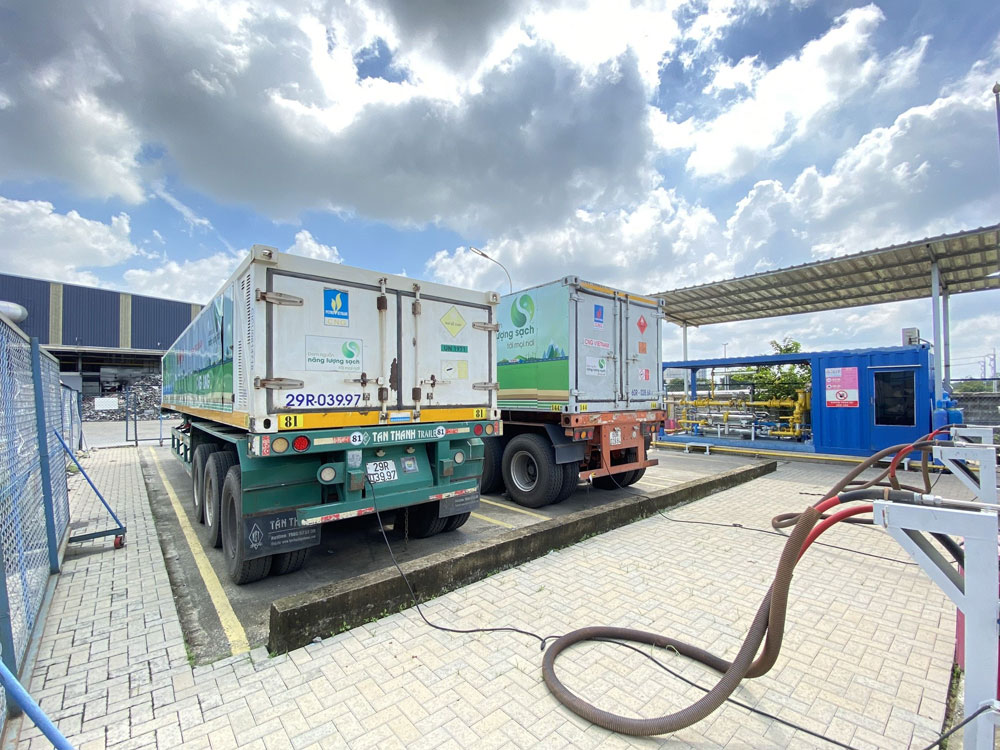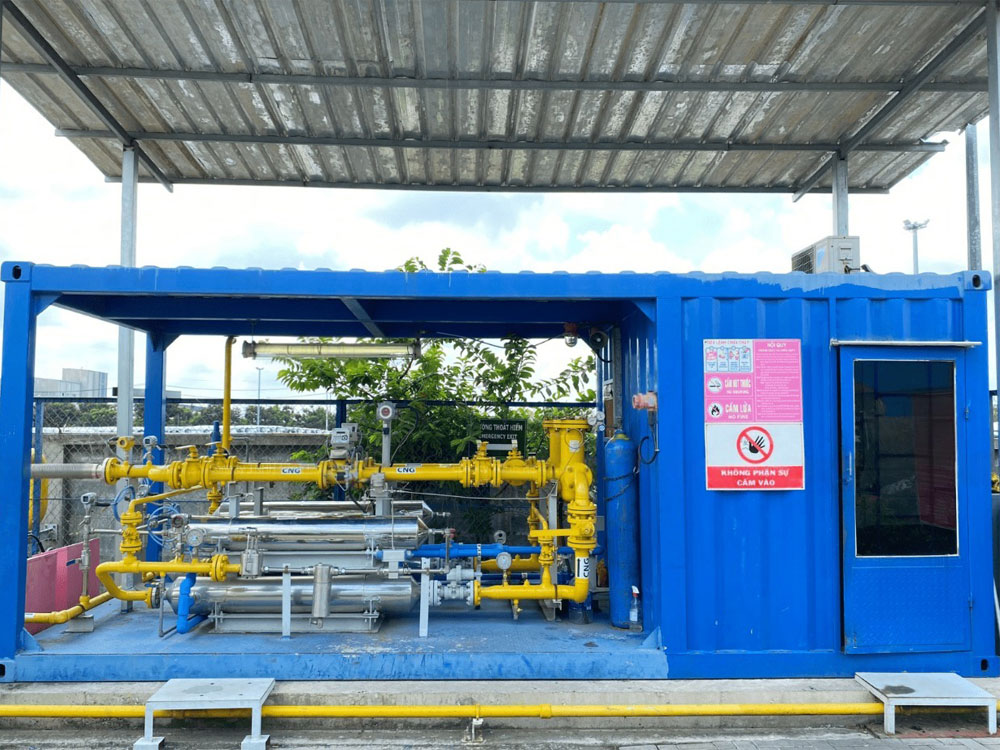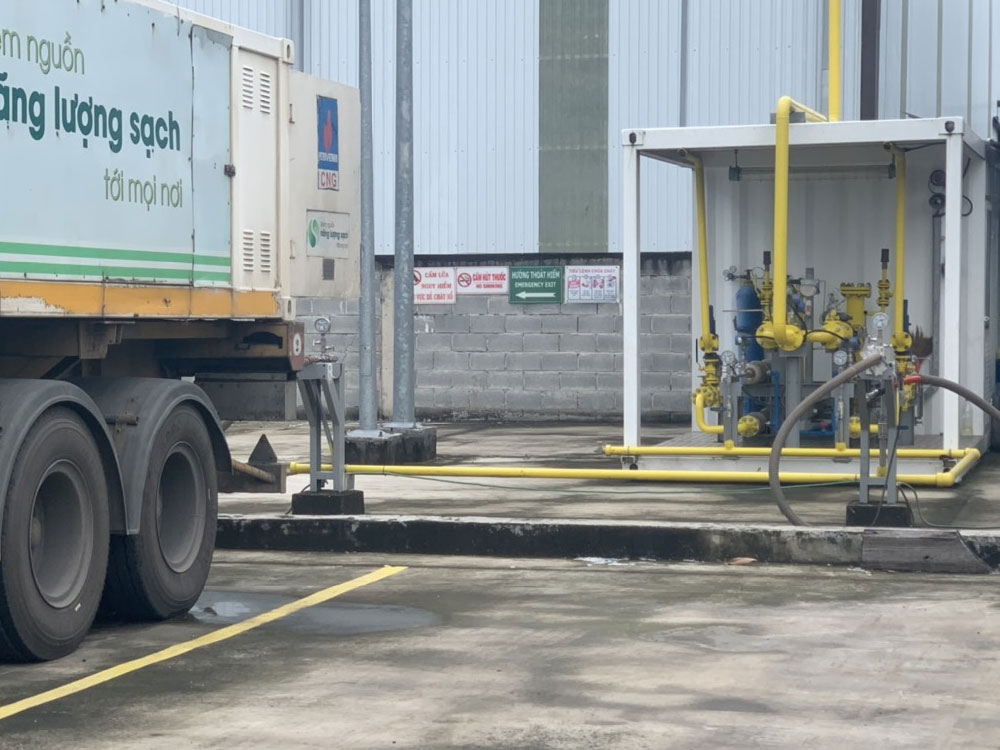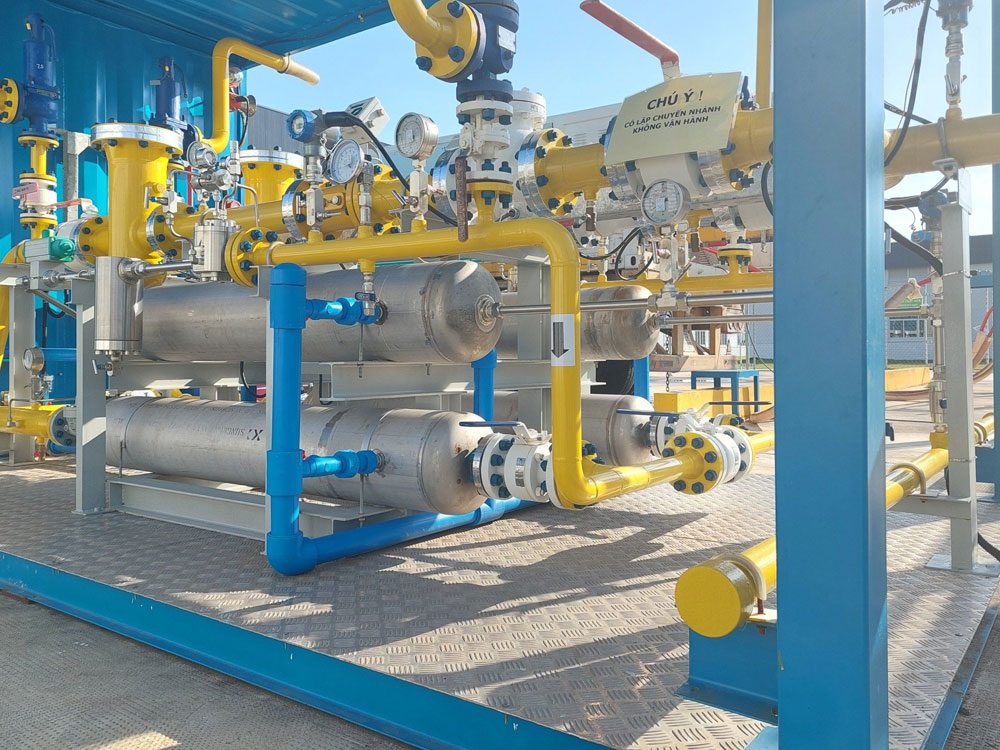








Compressed natural gas (CNG)
WHAT IS CNG?
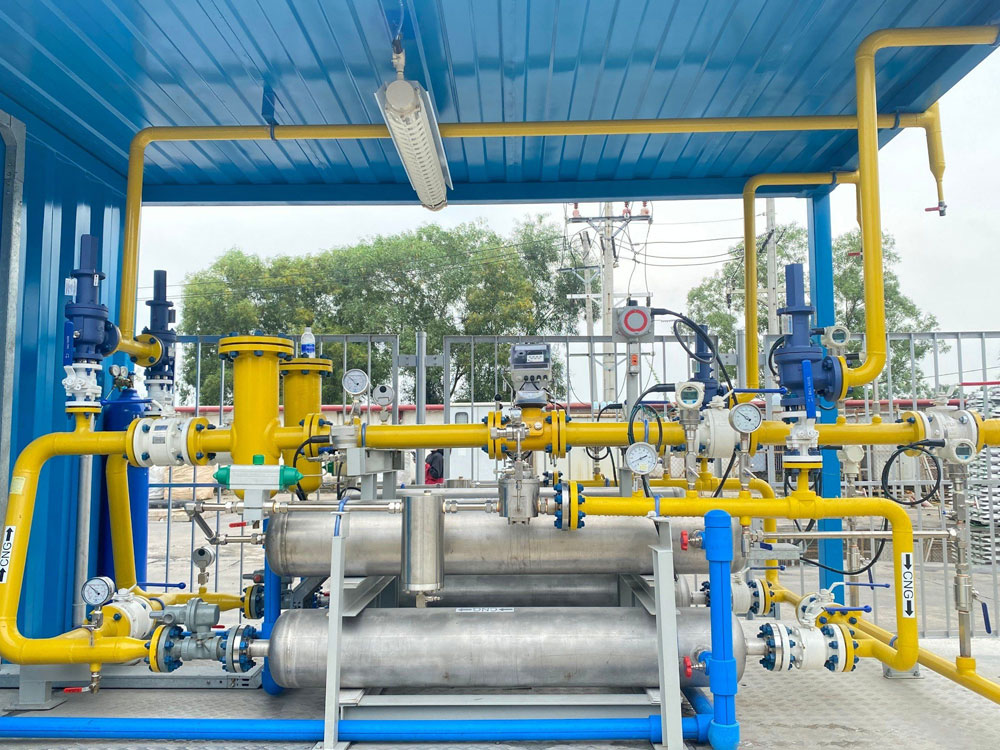
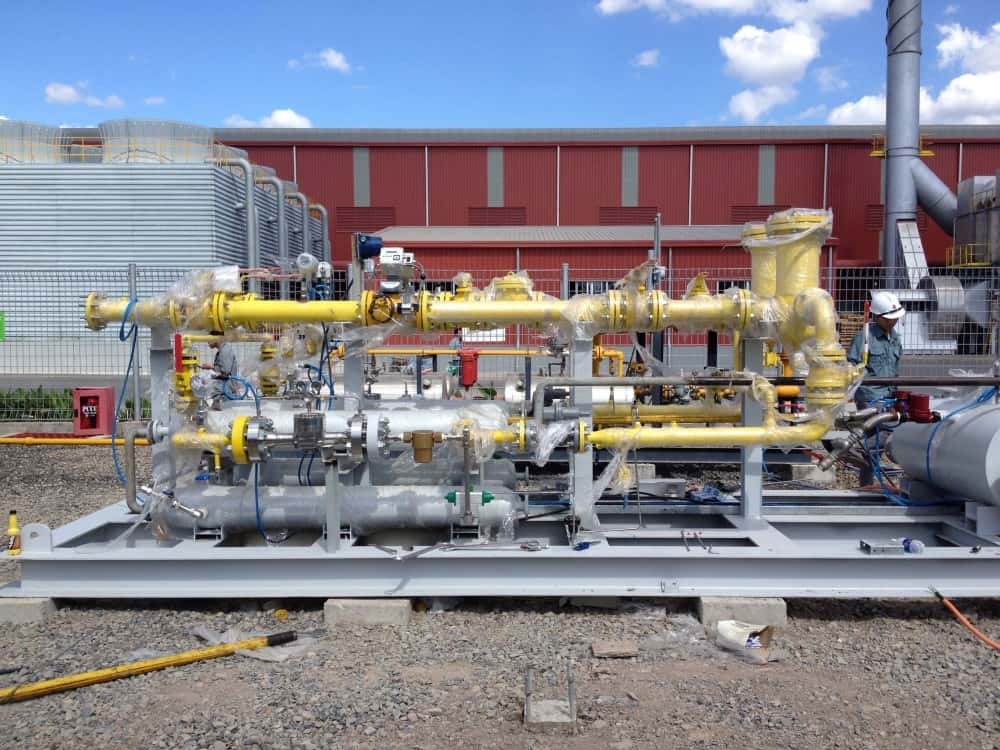
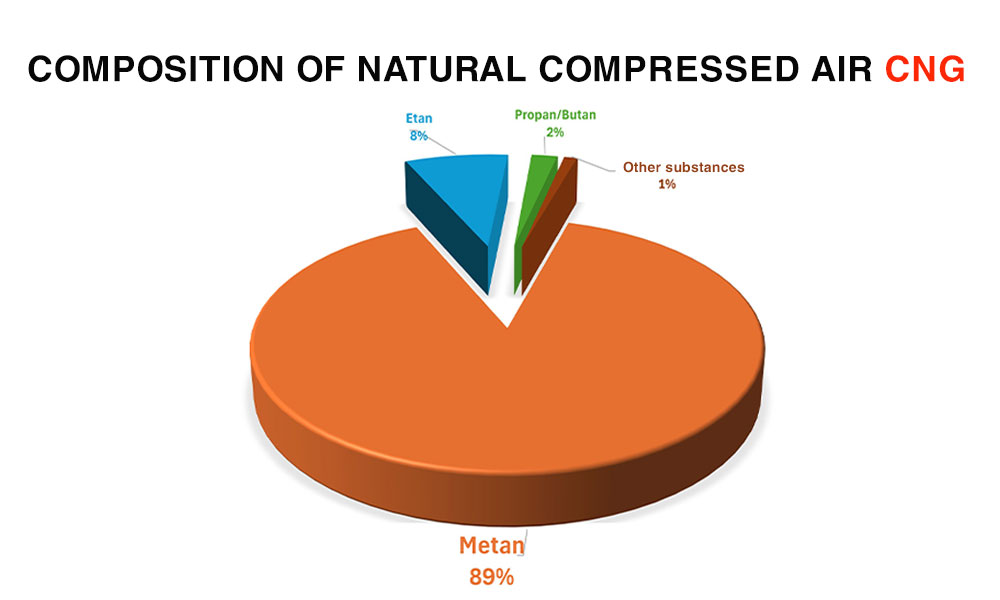
Compressed natural gas - CNG is natural gas with methane as its main component (up to 89%) that is compressed at high pressure and transported in specialized vehicles.
Compressed natural gas (CNG) is a colorless, odorless, non-toxic natural gas that is lighter than air.
APPLICATIONS OF CNG
INDUSTRIAL APPLICATIONS
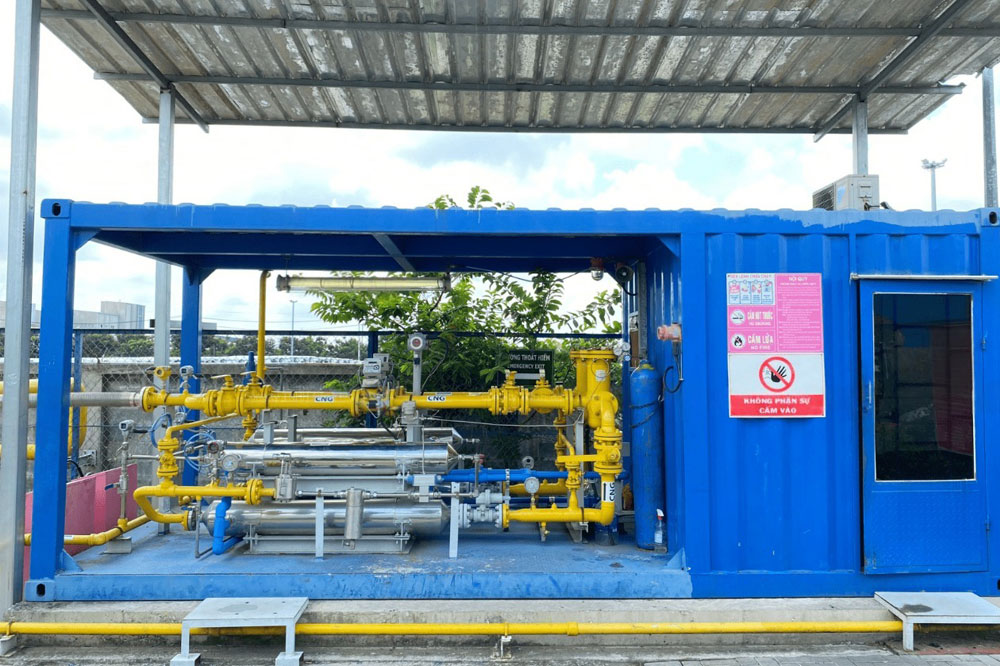
Compressed natural gas (CNG) is used in industrial production activities such as drying, heating, welding, combustion, etc. In addition, CNG is also used as fuel in agricultural production such as drying agricultural products, making fertilizers, etc.

OTHER APPLICATIONS
CNG gas is used in many industries such as: transportation, civil engineering, agriculture, etc.
BENEFITS OF USING CNG GAS

ENVIRONMENTAL BENEFITS
Compressed natural gas (CNG) is one of the cleanest fuels on the market today. When burned, CNG emits less carbon (reducing CO by up to 90%; reducing NOx by 75%–95%; reducing CO2 by 25%) than petroleum products.
Because CNG is lighter than air, in case of a leak, it simply rises and disperses into the atmosphere easily.

SAFETY BENEFITS
CNG is very difficult to spontaneously ignite or catch fire accidentally, because it has a high autoignition temperature (around 540 degrees Celsius) and a narrow ignition range (5%-15%). This means that if the concentration of CNG in the air fluctuates below 5% or above 15%, it will not burn.

ECONOMIC BENEFITS
CNG is about 10-30% cheaper than gasoline. CNG prices are more stable over the long term compared to the prices of petroleum products.
CNG is 100% domestically produced, therefore its price is less volatile compared to imported products.

TECHNICAL BENEFITS
CNG is lighter than air, so it disperses easily and doesn't accumulate as much as gasoline vapor. Because the combustion process is complete, it doesn't cause deposits in the combustion equipment and carburetors of vehicles, so CNG helps improve efficiency, extend maintenance cycles, and increase the lifespan of machinery and equipment.